

How to Alcohol Detox at Home
Removing alcohol at home can be an effective and safe option for certain people. To ensure that the process runs as smoothly as possible it is crucial to plan it out carefully.
During detox, it is crucial to remove all sources of temptation from your home. This is because withdrawal symptoms, such as delirium-tremens, are often severe and even fatal.
1. Get Medical Attention
Alcohol addiction can cause serious withdrawal symptoms when the person suddenly stops drinking. The withdrawal symptoms may start within 24 hours after the last drink and include hallucinations, seizures and extreme pain. These symptoms can be extremely dangerous and even fatal. It is not recommended to drink a lot of alcohol at home.
There are a few ways to ensure the process is safe however, it is important to consult with a medical professional prior beginning an at-home detox. They can determine if the alcoholism is enough severe to require a home detox, and prescribe medication to aid in the reduction of withdrawal symptoms. They can also help you make a plan of action in the event that you experience any potentially danger signs of withdrawal like seizures or delirium.
Remove all alcohol from your house to increase the security of the detox at home. This will help you resist temptation and prevent you from drinking alcohol in a way that isn't intended. Spend time with friends who will encourage and support your journey to sobriety. It is also important to eat a balanced diet while detoxing from alcohol. This will help you recover from the withdrawal symptoms and supply your body with the nutrients it needs to remain healthy.
In the end, it is crucial to remember that detox is just the beginning of the process of recovery. Continuing with regular sessions with a therapist can help you keep your sobriety in check and identify the root of your alcohol addiction. BetterHelp can assist you in finding the ideal therapist for your needs if you're ready to begin your journey to recovery. Complete the questionnaire and be matched.
2. Make Alcohol Access Difficult
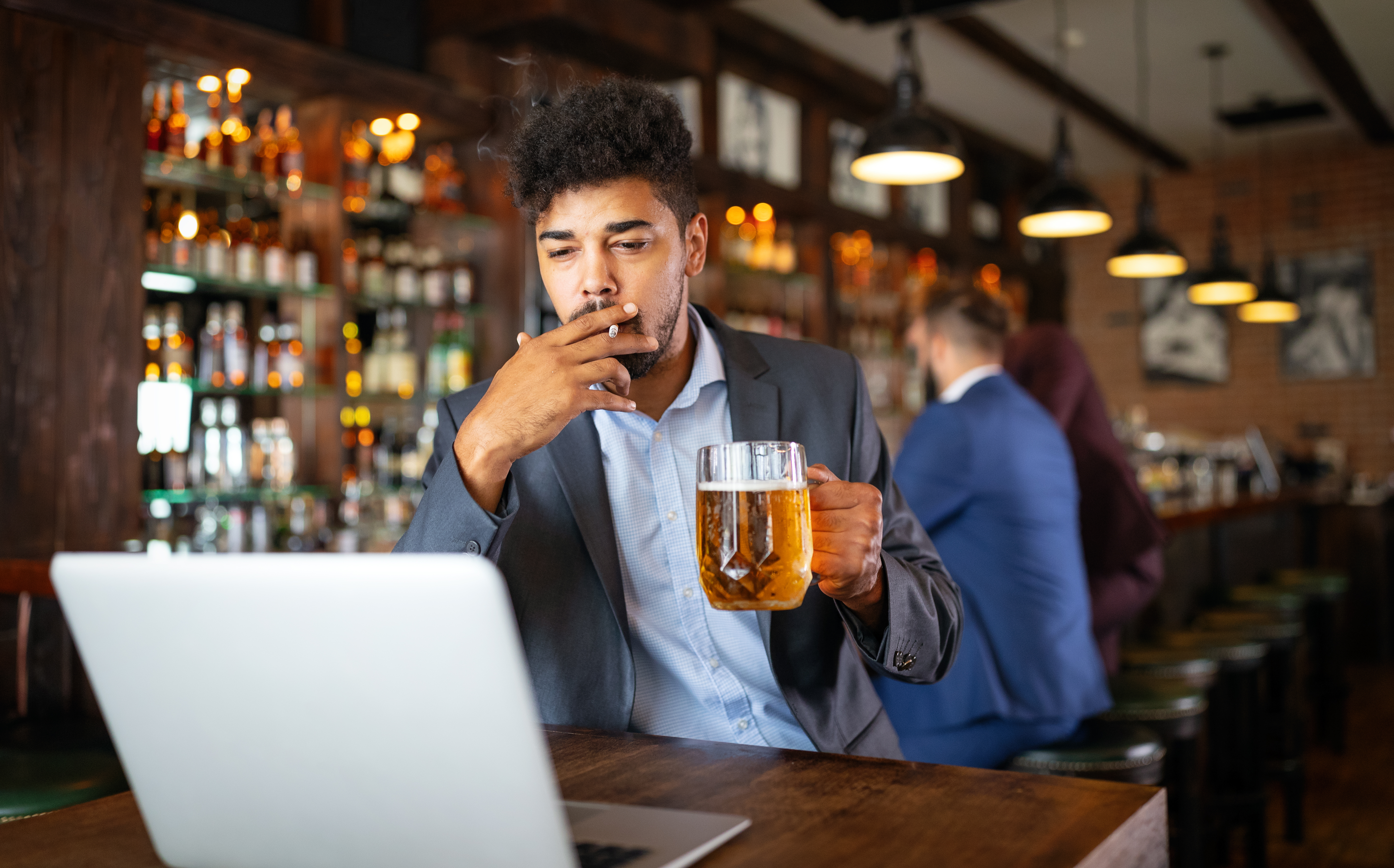
Due to the danger of withdrawal symptoms The home detox method is not recommended for people who are dependent on alcohol. Seizures and delirium Tremens are among the most dangerous withdrawal symptoms. These symptoms include tremors, confusion, hallucinations, fever, sweating and rapid heart rate. They can also cause harm to those around them.
private alcohol detox is possible to detoxify from alcohol at home, if you follow certain precautions. It is important to first ensure that you don't have any alcohol in the house or in your vehicle. If you do, you should get rid of it, emptying it into the sewer or giving it to a friend who's not drinking. It's not easy, but it's necessary for a safe and effective detox.
Avoid social situations that could induce a craving for alcohol. This can be done by rearranging your social circle or participating in new activities. You can also reduce your drinking over a time of days or weeks, before stopping completely. This will lessen the intensity and frequency of withdrawal symptoms.
In addition to these steps in addition, you should focus on healthy eating, hydration and moderate exercise as these will improve your mood and assist your body fight the effects of alcohol withdrawal. You can also work on an interest or take on a new hobby to keep you from your craving for alcohol. You can also join a support group, such as Alcoholics Anonymous or SMART Recovery to support you during your detox. Additionally, you can take up meditation to relax and concentrate on your mental health.
3. Get Help
People who have an occasional addiction to alcohol can detox at home if they do so in the correct manner. If you are addicted to alcohol in a severe way, you may need professional help, since withdrawal symptoms may be too severe for you to handle at home.
alcohol home detox uk is essential to have a reliable support system during detox. Asking family members and friends to check on you during the detox process is an excellent way to gain support. This will allow them to support you and could also be used to call medical professionals in times of need. It's also a good idea to make alcohol more difficult to access, by taking it out of your home or throwing it away. This will help you stay away from temptation and increase your chances of an effective detox.
Additionally, you should consume a healthy diet during this time. Eat a balanced diet, which includes fruits, vegetables and carbohydrates. It is also important to drink plenty of water to stay hydrated, but avoid drinks that contain caffeine, such as tea and coffee. These can interfere with your sleep and make you be anxious.
It is crucial to get enough sleep when you are detoxing. This will allow your body to rest and recover from the withdrawal symptoms. You can also use techniques of relaxation like meditation and deep breathing to reduce stress. A restful night's sleep can help the body to eliminate the toxins from alcohol more effectively.
4. Make Your Schedule Clear
It may be difficult to clear out your schedule for some time, or even weeks, but it is essential if you want to have a successful detox. A day off from work or requesting an absence leave from your employer can give you the time you require to detox without distractions and also ensure that someone can check in on your progress throughout the detox process and call medical professionals should you experience any issues.
Avoiding places that serve alcohol and keeping alcohol out of your home can also help to reduce temptation. If you're a frequent drinker, you should eliminate all the alcohol from your house and dispose of any bottles. The NIAAA suggests that this can help you avoid relapses in the future, and will make it easier to remain sober.
If you feel the desire to drink, distract yourself by doing something else. You can do this by exercising or watching a movie, or spending time with non-drinkers. You have to find an approach to control your cravings. They will come and they can be more powerful when you aren't prepared.
You can cleanse yourself of alcohol at your home, but you should be aware of the risks and seek out professional assistance when you are experiencing. The withdrawal symptoms that accompany alcohol can be severe and could be life-threatening. It is not recommended to taper or stop drinking alcohol in a cold manner, since this can increase withdrawal symptoms. Self-detoxing can be more risky than visiting a residential alcohol detox center since you won't have access medical assistance.
5. Keep Hydrated
Alcohol withdrawal is regarded as one of the most dangerous types of withdrawal from substances. It can trigger life-threatening symptoms, such as seizures and hallucinations. It is highly recommended that you seek medical assistance to detox in an accredited facility instead of trying to do it yourself.
When going through the detoxification process, it's important to have support as cravings can be difficult to overcome. A support network can help you stay away from temptations and encourage you. It could be a family member, friend or even a group of similar recovering addicts. You should also make sure that you have plenty of food and water available to avoid dehydration, as it can occur in withdrawal.
Keep yourself busy and distracted to reduce your cravings. Find a hobby or new activity to keep your mind off of drinking and help you remain sober. If you have a hard focus Try deep breathing exercises or meditation to relax your mind. To help you stay sober, take out all alcohol-related items from your home.
Drinking alcohol causes the body to dehydrate, leading to electrolyte deficiencies which could cause serious health issues during alcohol detox, such as seizures, a higher heart rate, hallucinations and more. To combat these symptoms, it is recommended to consume a minimum of 0.5-1 8 ounces of fluid per day. If you're sweating a lot because of withdrawal from alcohol, you should drink more water. Water also helps flush toxins from the body which makes it a good way to help with alcohol detox.